



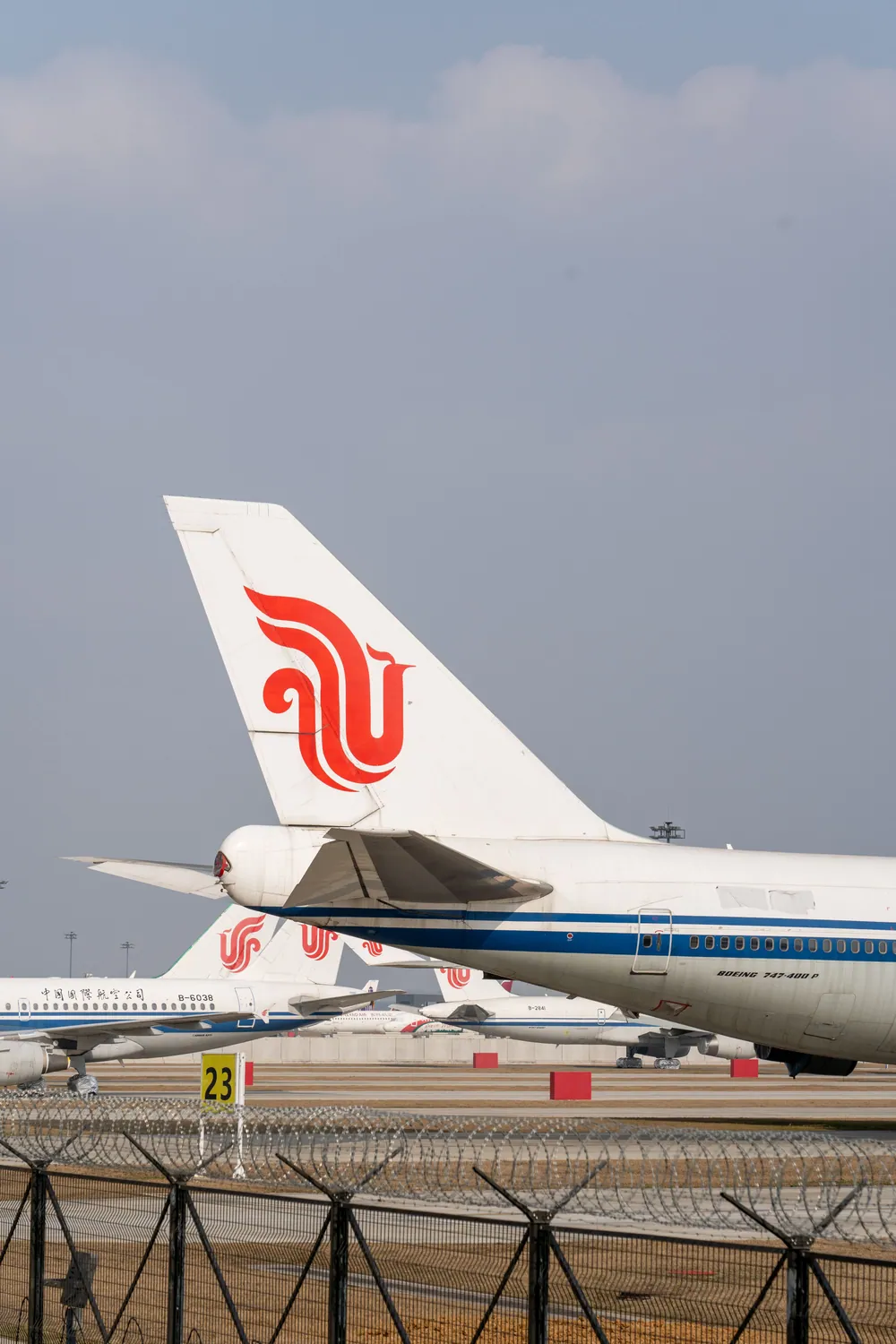
Global fulfillment, one parcel
Items held in stock are consolidated before they leave, so a multi-item order pays one shipping charge instead of several.
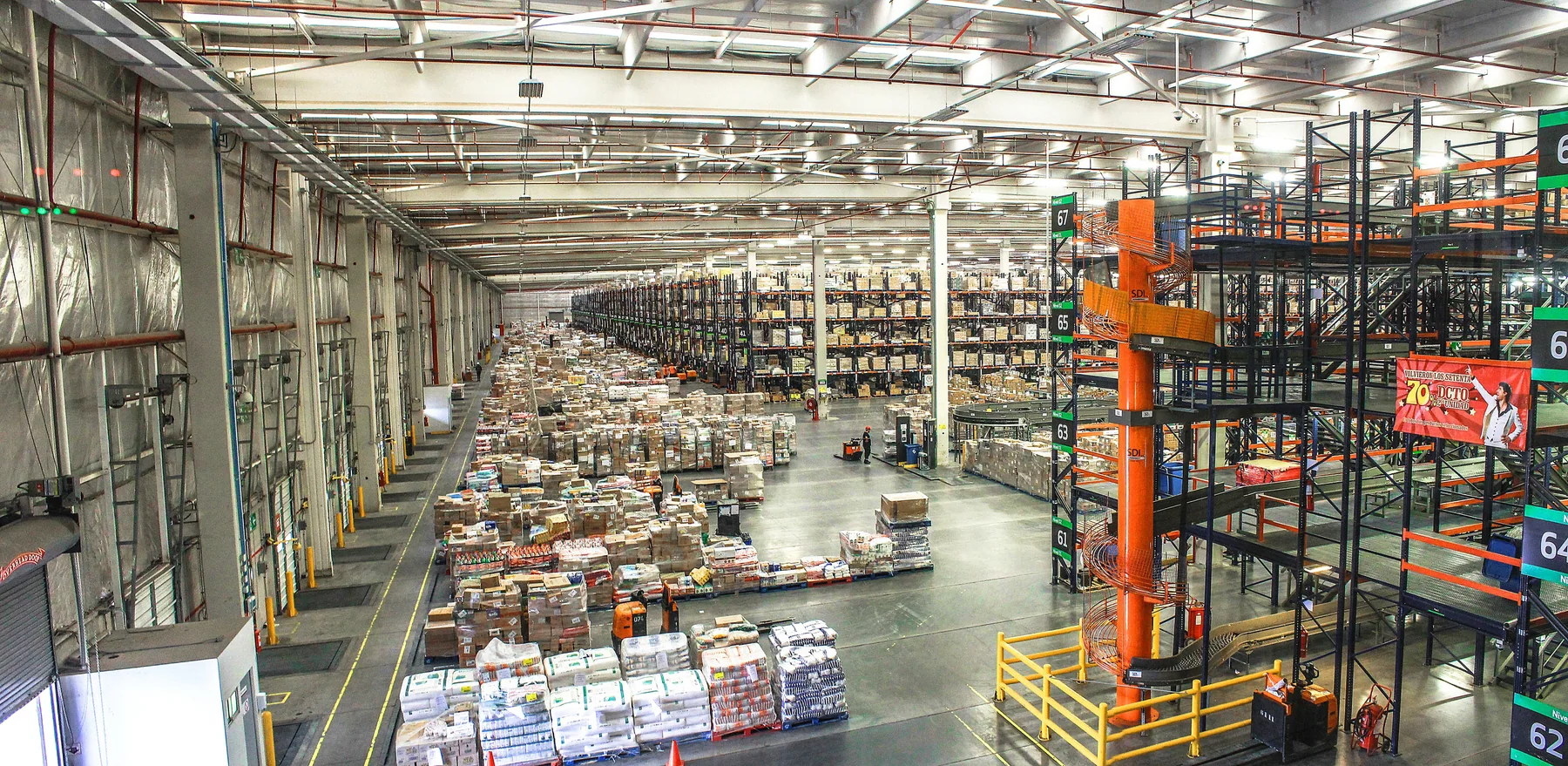
China supplier · Product minimums shown per item
In-stock goods across eight categories, packed together into one parcel so you pay one shipping charge instead of one per item. Or start from your own design and we build it.
Get a quote
One form. We come back with stock, unit price, combined shipping and lead time — in writing, before you pay anything.
We photograph your actual goods, not the catalogue image.
Packing list and commercial invoice travel with every shipment.
Private label runs start with a free draft for your approval.
We reply within one business day.
Already running a store?
No app to install and no plugin to maintain. You keep your storefront exactly as it is — we do the part behind it: stock, packing and shipping.
Works alongside
Getting started
Four steps, no integration required. You can be selling the same day you first message us.
Pick from 15,000+ in-stock items, or send us a photo of what you want and we find it.
We hand you photos, titles and SKU codes ready to upload. You list them under your own account — no app to install.
Forward the order with SKU and quantity (spreadsheet, email or WhatsApp). We confirm stock and quote the landed cost before you pay.
Everything goes into one parcel, photographed before dispatch, with a tracking number when it leaves.
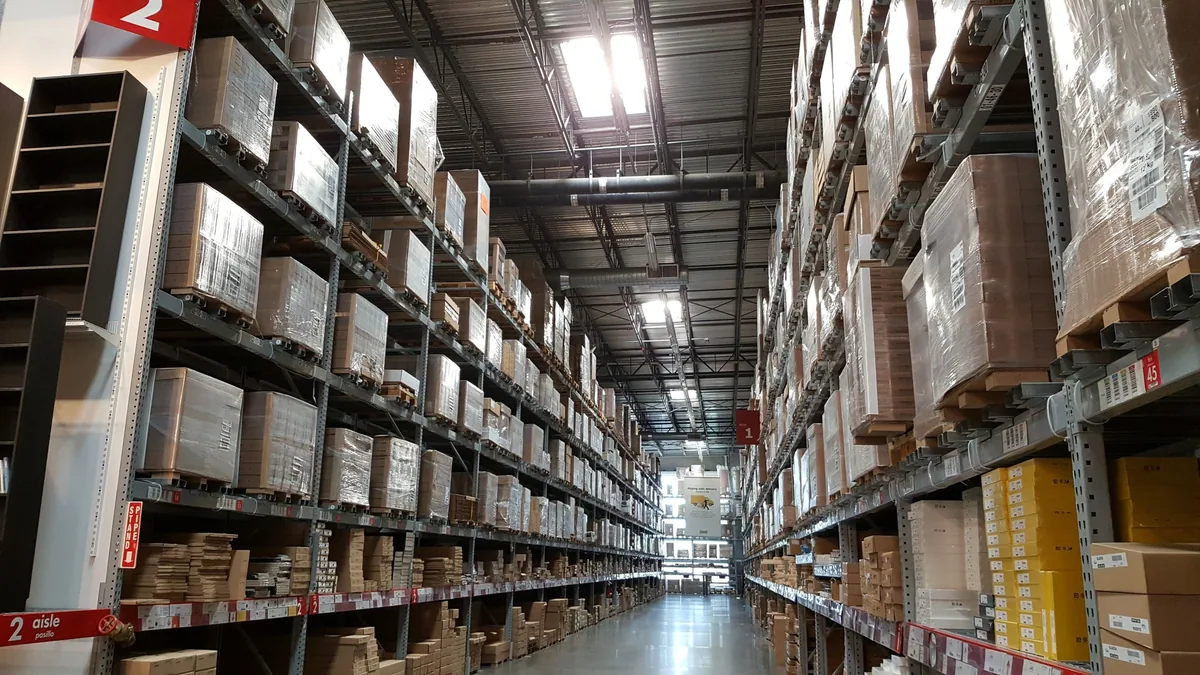
What we do
Start with one item out of stock we already hold. Move to private label, then to your own product. The same team handles all three.
Send a photo, a link or a sample. You get quotes back and the factory that actually fits the job.
Your artwork printed on the product, made per order rather than in batches you have to store.
Your brand on the retail box, the insert card and the outer carton marks.
Unit price drops as quantity rises — the tier table is on every product page, not hidden behind a quote.
Our own production lines build the product to your spec, rather than printing a logo on someone else’s.
Stock your own goods with us and we pick, pack and dispatch per order.
Products
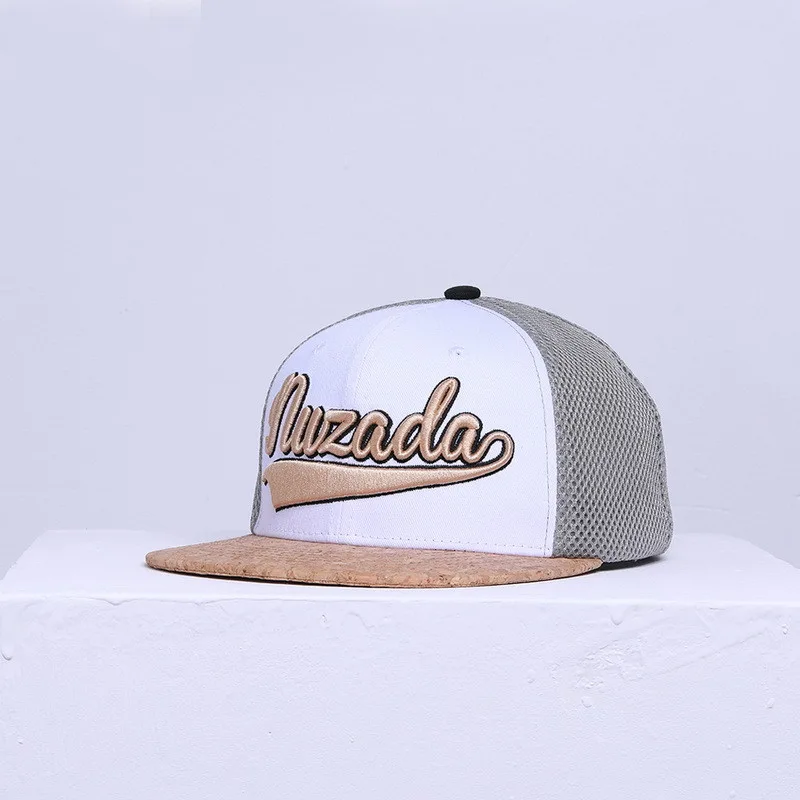
Everything below is already in our warehouse. Anything can be combined with anything else in the same order, and anything can be private-labelled.
The deepest category and the hardest to run well. Sizing variance drives returns, and a cross-border return usually costs more than the item — so the size chart matters more than the photographs. Unit prices are low enough that the parcel dominates the landed cost, which makes combining two items into one box the difference between a workable margin and none.
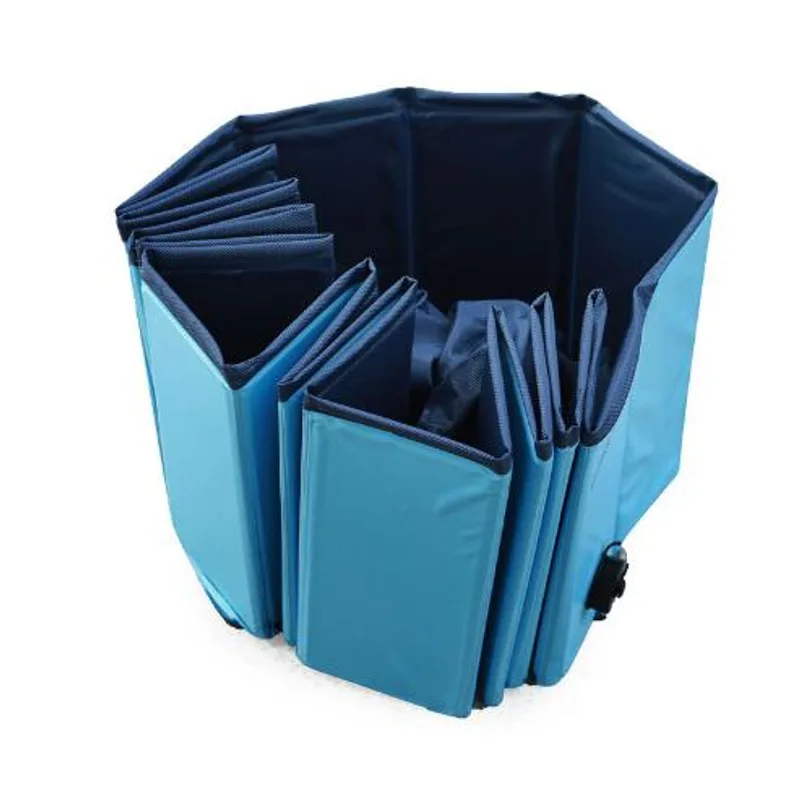
Repeat-purchase goods with forgiving sizing: bowls, harnesses, toys, beds. Buyers come back, which makes a first order worth more than its own margin. The constraint is volume rather than weight — a pet bed is bulky, and carriers bill the greater of actual and volumetric weight, so the large items are the ones to check before listing.
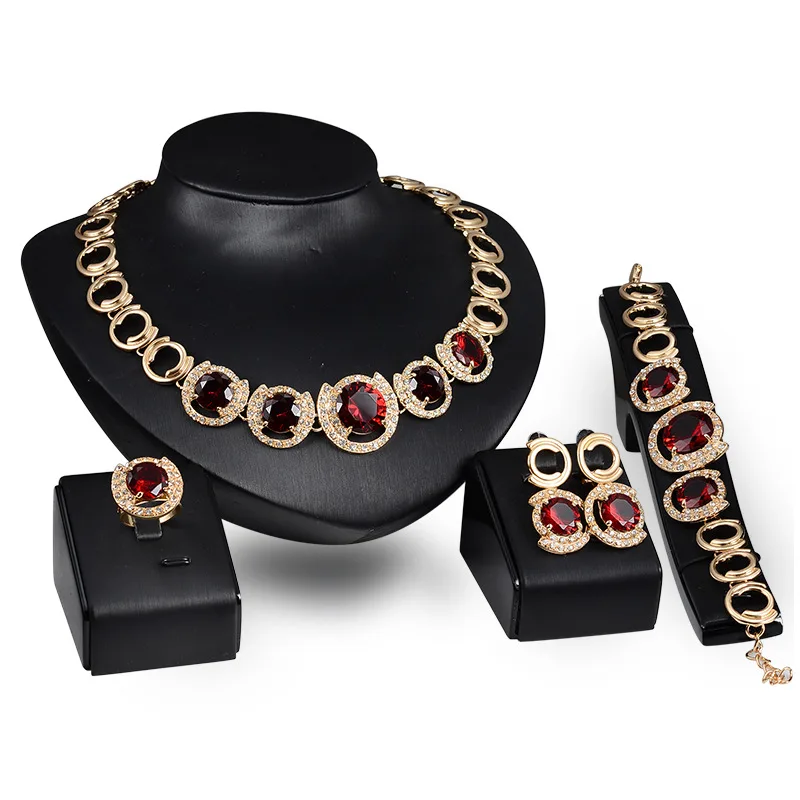
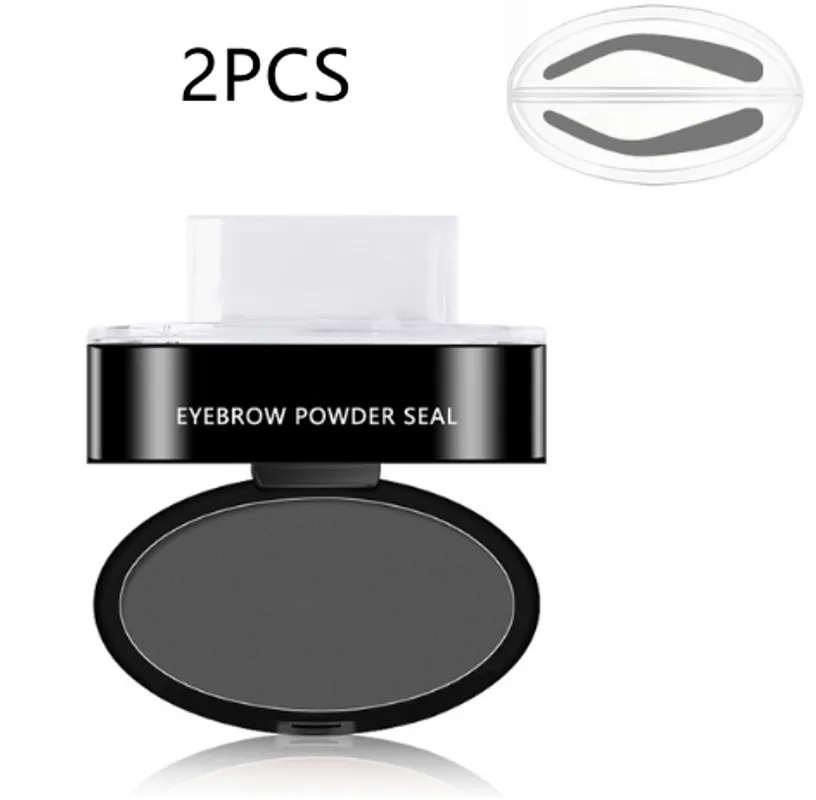
The best weight-to-value ratio in the catalogue. A necklace costs a few dollars and weighs almost nothing, so freight is a small share of the total and the price can sit where the buyer expects it. What it demands instead is presentation: the photograph and the packaging carry the perceived value, because the object itself is small.
High margin, high scrutiny. Liquids, creams and gels face carrier restrictions above small quantities, so not every item in this category can fly. Shelf life matters too — an item sitting in a warehouse for a year is a different product from one that shipped last month, which is why the stock count on each page is worth reading before you scale.
Beautiful and awkward in equal measure. Textiles, wall art and storage sell well in photographs, but many of them are volumetric — a light item in a large box is billed like a heavy one. The categories that work from China are the ones that fold, roll or pack small; the ones that do not are better sourced closer to the buyer.
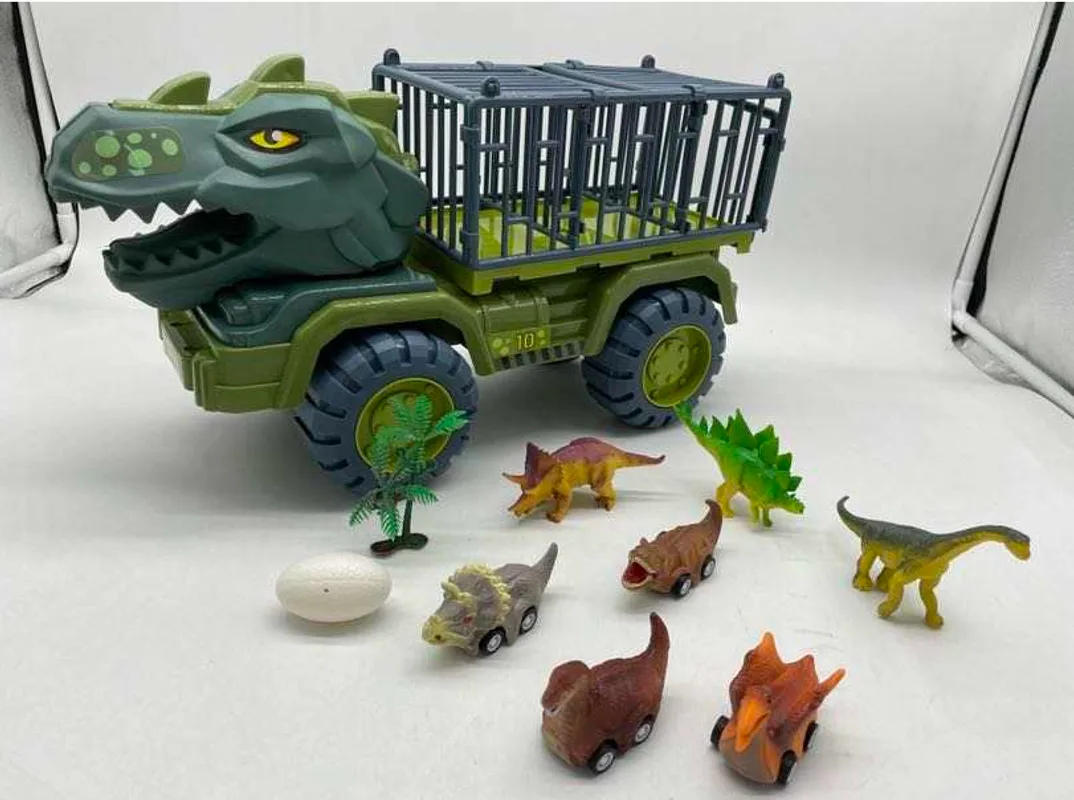
Steady demand and a labelling obligation. Toys sold into most markets carry age and safety markings on the retail unit and the packaging, and those are supplied by you rather than invented by us. Plush, blocks, puzzles and fidgets move well; anything with a battery or a small detachable part needs the restriction checked before it is listed.
Cases, audio, chargers, stands and cables — high volume, and the category where carrier restrictions bite hardest. Anything with a loose lithium battery, a strong magnet or a power bank is refused by most channels regardless of what the marketplace allows. The clean accessories, cases and stands, are the ones that ship reliably.
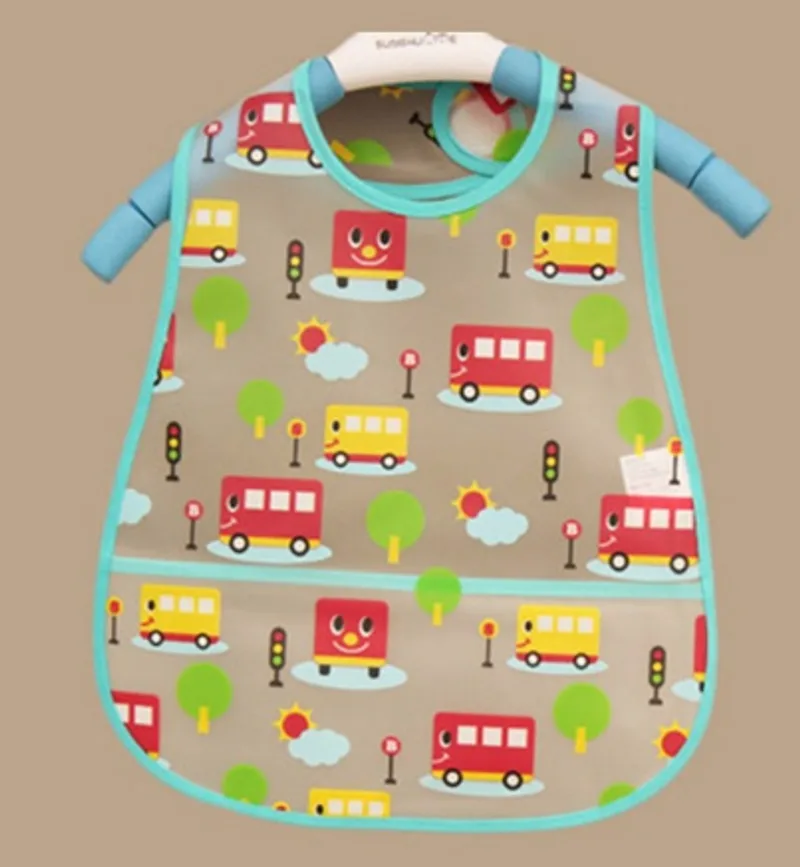
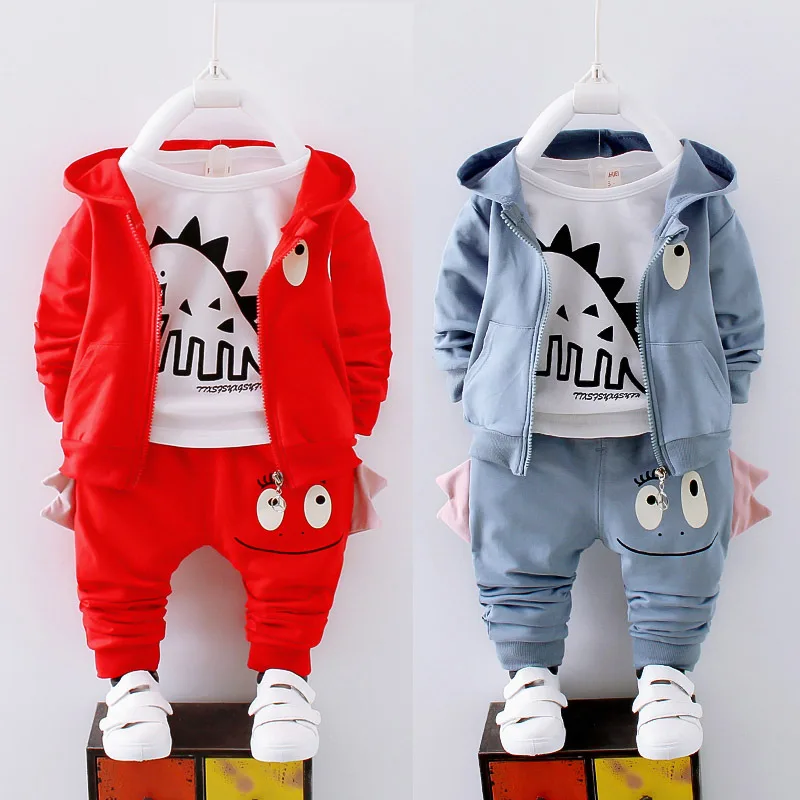
The category with the least tolerance for error. Sizing is unforgiving, returns are expensive, and parents scrutinise materials. What works is simple, well-photographed basics — onesies, soft-soled shoes, bags, bibs — where the size chart is accurate and the listing does not over-promise. This is also where private label earns its keep fastest, because the buyer is choosing a brand, not a price.
Global fulfillment
How an order actually gets from our warehouse to your customer’s door.
Items held in stock are consolidated before they leave, so a multi-item order pays one shipping charge instead of several.
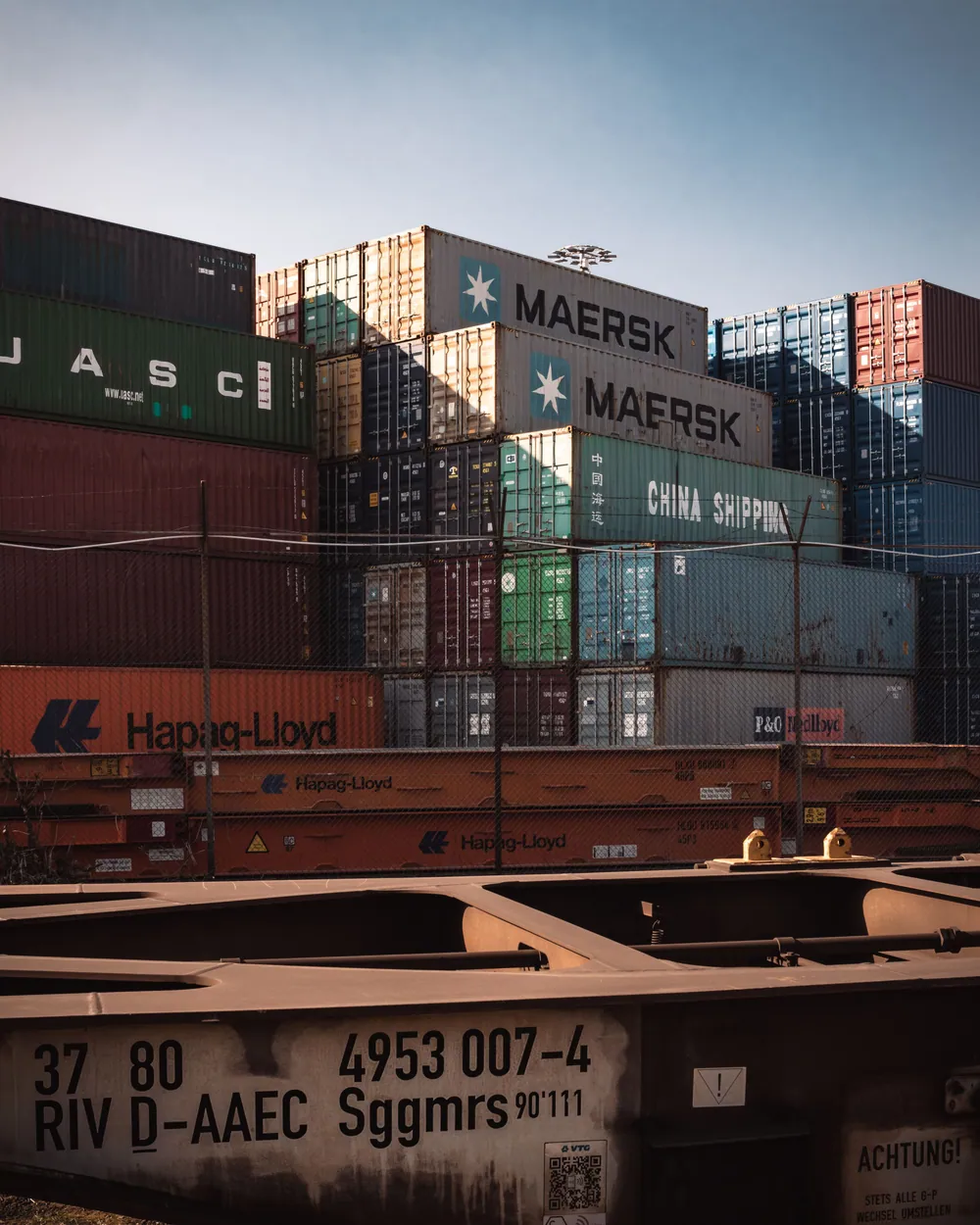
Rates across 55+ carrier channels — postal, commercial express and direct lines — picked per destination and weight.

Your branding on the parcel, the insert and the outer carton, applied at packing time.
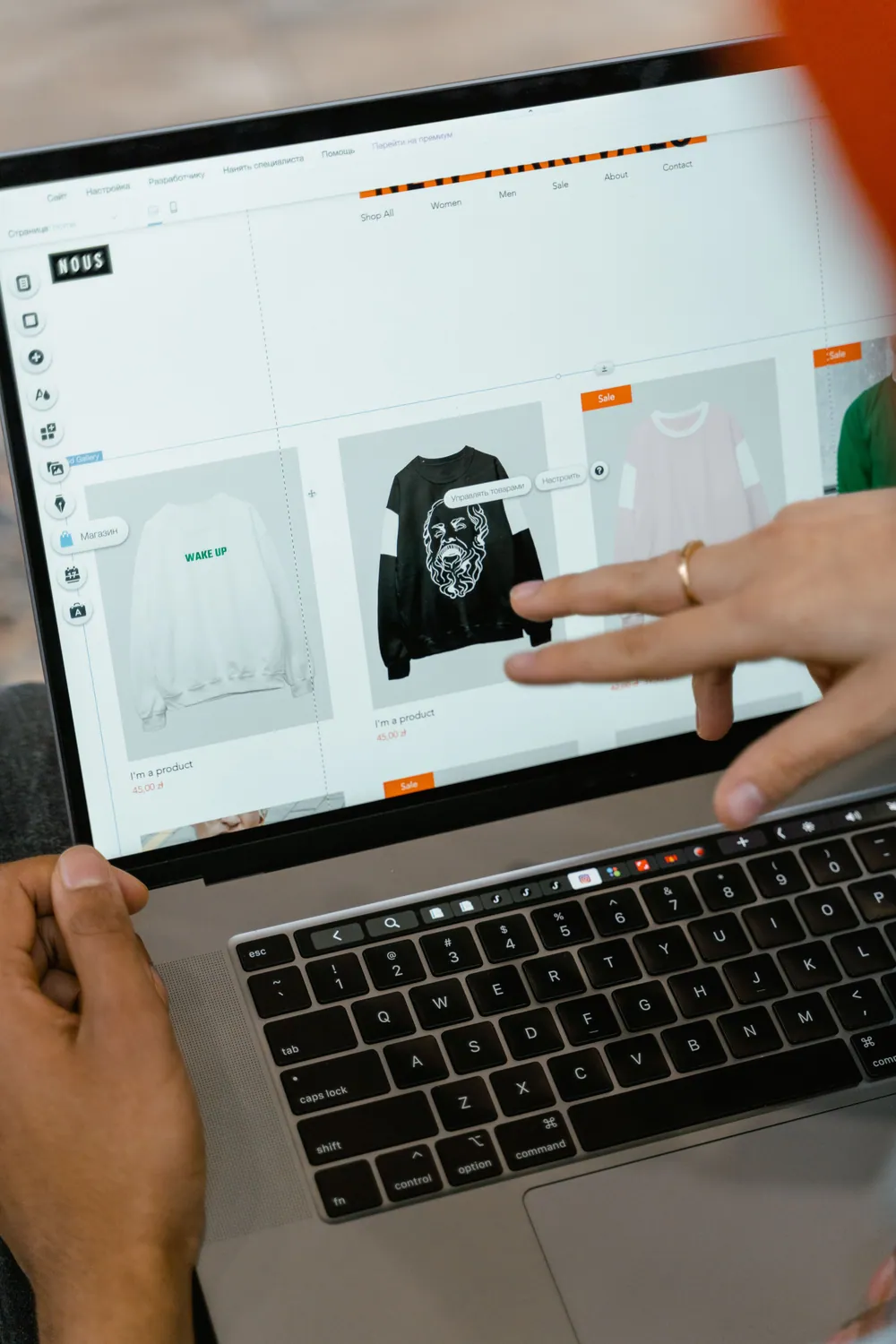
Photos, titles and SKU codes delivered in a form you can upload to your own storefront.
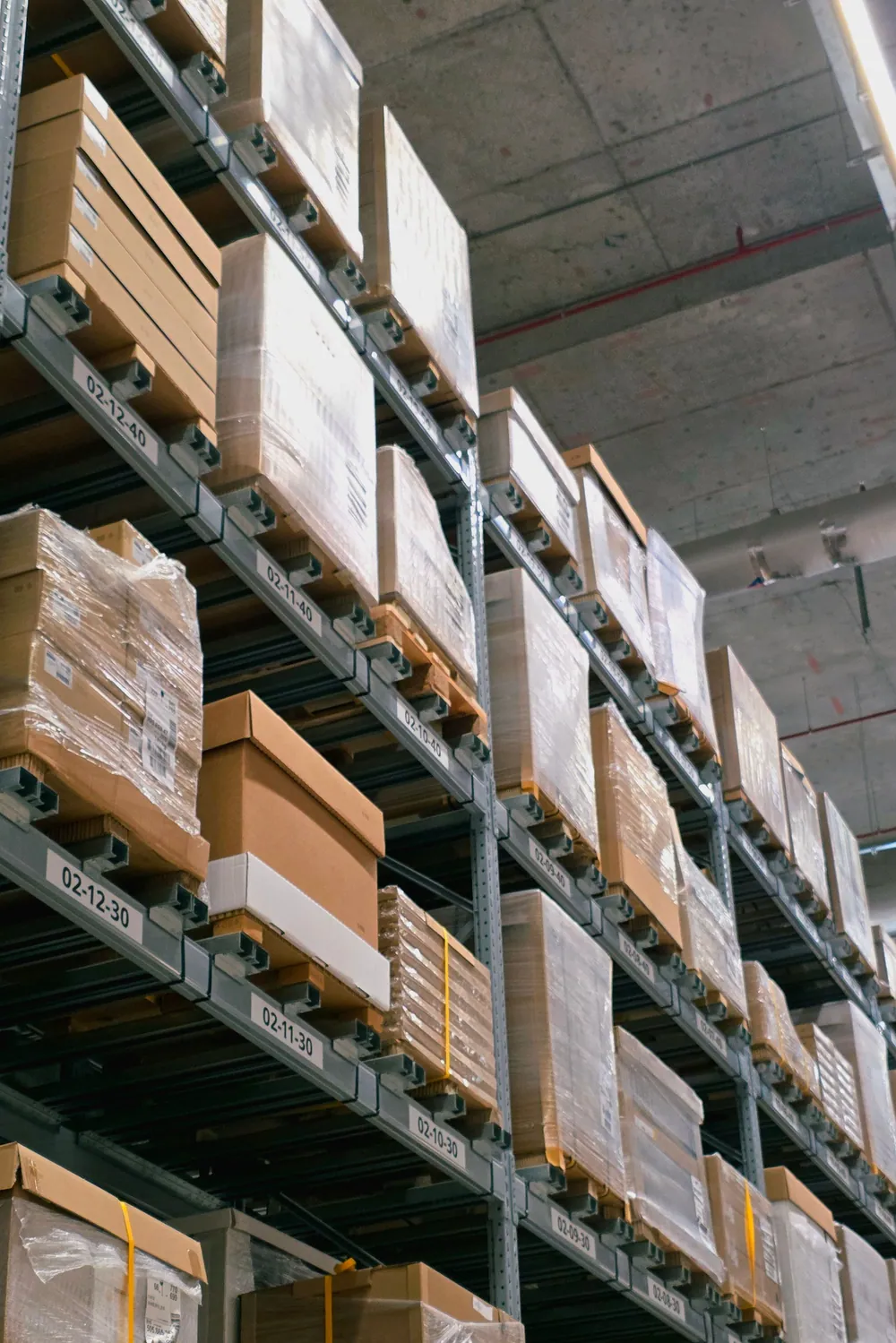
Live stock counts on every product page, and photos of your actual goods before they ship.
It depends on the item. Many products start at one piece for dropshipping, some require more. The exact minimum and the price tiers are shown on every product page.
Yes. That is the point. Items held in stock can be packed together into a single parcel, so you pay one shipping charge instead of one per item.
Yes, for private label and custom runs. Send your artwork and we return a draft for approval before production.
We photograph your goods before they leave the warehouse, and the photos come with the shipment documents.
No. Every order ships from our China warehouse. Combined packing is how we keep the landed cost down.
Yes. Private label is available across all eight categories.
A warehouse inside the destination country delivers faster and costs more per unit. Ours is the other trade: a parcel crosses a border in about four to eleven days to the US, and in exchange the unit economics work on cheaper products because items are combined into one parcel rather than shipped one at a time.
Measured from China to the United States, the cheapest tracked route runs five to eleven days and the fastest runs four to seven. Add the dispatch time quoted for that item and any customs clearance. We quote the carrier's estimate rather than promising a delivery date.
Yes. Send the mapping once and every parcel, packing list and invoice carries your codes rather than ours, so your catalogue stays stable if you ever change supplier.
Yes. Each item comes with photographs, a written title, weight and dimensions, the material, the HS code and the real minimum quantity. It is enough to build a complete listing without inventing anything.
A cross-border return usually costs more than the item, so a physical return is rarely worth it. Decide the policy before the first sale — the workable answers are a partial refund without return, or a full refund and local disposal.
Yes, and most sellers do at the start. Nothing here is exclusive and there is no monthly commitment, so the sensible approach is to route one product or one destination through us and compare the landed cost before moving anything else.
Straight answers
Most supplier pages describe strengths and omit limits. Both are listed here, because a seller who discovers a limit after the first order has lost a month.
Choosing an approach
There are only three ways to get a product to a customer when you do not make it yourself. Each is right for a different stage, and each fails in a predictable way.
| App-based supplier | Buy and hold your own stock | Us | |
|---|---|---|---|
| Monthly cost | Subscription, sometimes tiered by volume | Storage rent, payable whether you sell or not | None |
| Order handoff | Automatic | — | Manual, a few minutes a day |
| Cash tied up | None | Large — you buy before you sell | None |
| Shipping charged | Usually per order line | Per container inbound, per parcel outbound | Per parcel, items combined |
| Unit cost | Low | Lowest | Low |
| Branding | Usually none | Full control | Private label and packaging available |
| Total transit | Depends on their warehouse | Fast, if stocked locally | Four to eleven days to the US |
| Fails when | You outgrow the catalogue, or the app breaks | Demand does not materialise and the rent continues | You exceed a few dozen orders a day, or need same-week delivery |
Once order volume passes a few dozen a day, exporting orders and pasting tracking numbers back becomes a real job rather than a few minutes. At that point an app's monthly fee is cheaper than your time, and the automatic handoff removes an entire category of human error. If you are already there, an app-based supplier is the right answer and we will say so.
When one product is proven, selling predictably, and competing on delivery speed rather than price. Buying inventory converts a per-unit cost into a fixed cost, which is better once the volume is certain — and a local warehouse is the only way to promise a two-day delivery. Both are real advantages, and neither is available here.
While you are testing products, selling low-ticket items where freight dominates, or selling multi-item orders where combining changes the arithmetic. No inventory, no subscription, and one shipping charge per parcel instead of one per item. That is the specific window this model is built for, and it is usually the first window a new seller is in.